

What is a cylinder head, Rebuilt and Gasket Replacement
The cylinder head is crucial for the proper functioning of a car engine. Malfunctioning head gaskets can lead to several problems, such as oil or coolant leaks, overheating, and the presence of exhaust gases and engine oil in the radiator fluid, which, if not promptly addressed, can cause cylinder head failure.
In this article, we will explore what the engine cylinder head is, its purpose, and how it works. You'll also learn how to maintain it through resurfacing, replacement, or gasket change.

What Is a Cylinder Head and What it Does
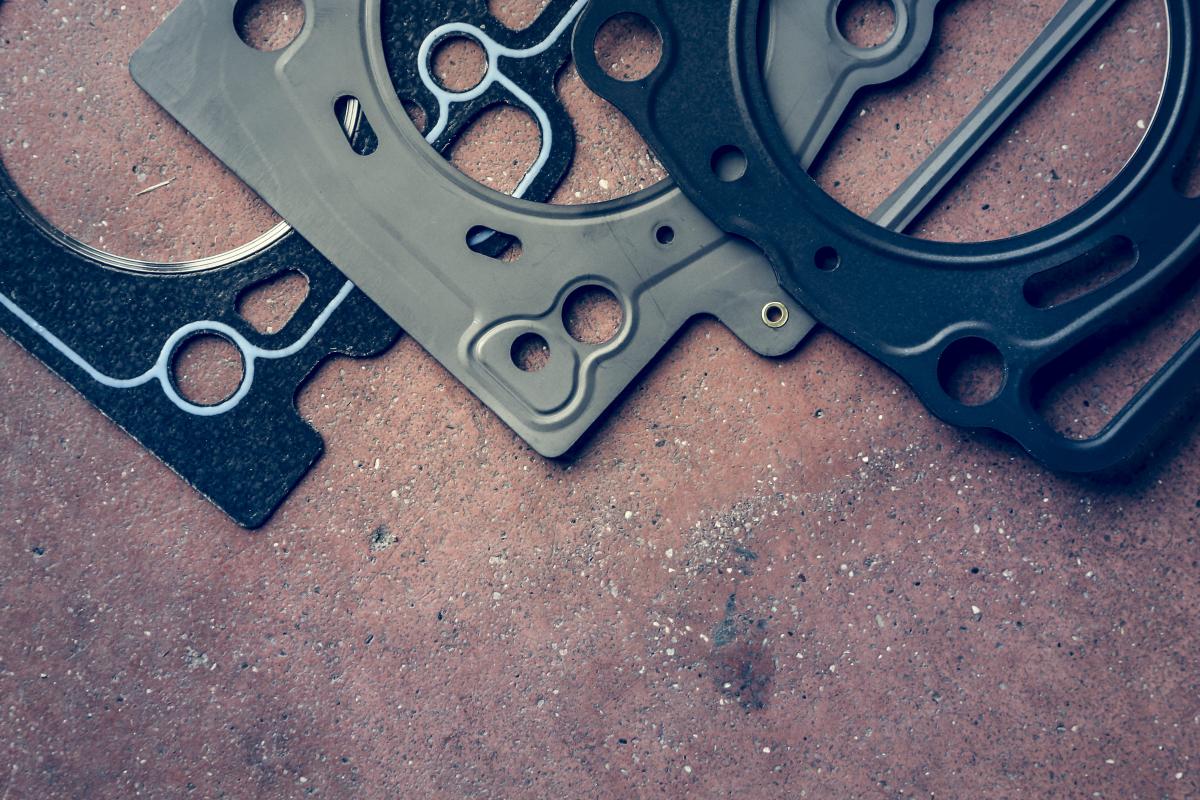
The cylinder head is a metal component located at the upper section of the engine block. Typically made of aluminum or cast iron (especially in classic cars), it seals the combustion chambers and encapsulates the cylinders, providing the space required for the combustion of the air-fuel or air-diesel mixture. The cylinder head also houses valves, valve seats, intake and exhaust ports, combustion chambers, and either spark plugs or fuel injectors.
The cylinder head performs several critical roles in the engine's proper operation. As mentioned, it ensures a perfect seal of the combustion chambers, preventing any uncontrolled leakage of combustion gases that could harm engine performance. This seal is ensured by the cylinder head gaskets, specifically engineered to endure the mechanical and thermal stresses of the combustion process, preventing potential leaks.
The cylinder head also serves as a crucial support structure for the valves, which control the intake of the air-fuel mixture and the expulsion of exhaust gases. Additionally, it plays a vital role in dissipating the heat generated during combustion through dedicated coolant passages. These combined functions ensure efficient and safe engine operation, enhancing its longevity and maintaining peak performance.
Oil Leaks or Damaged Cylinder Head: Common Issues
The cylinder head operates under intense pressure and extreme temperatures. Damage to this critical component can lead to serious issues for your vehicle. As a key part of the engine, it endures significant mechanical and thermal stress, making it susceptible to various potential malfunctions.
Blown Cylinder Head Gasket
One of the main causes of oil leaks is a blown head gasket. We’ve already covered this topic on our blog, particularly in relation to motorcycles.
In cars, a similar problem can occur: the gasket seals the cylinder head to the engine block, and if it wears out or blows, it can compromise the engine’s airtight seal. As a result, combustion gases and coolant can leak between the cylinders, contaminating the lubricating oil and preventing it from performing its function effectively. If the vehicle is operated in this condition, the engine can overheat and suffer from premature wear and potential failure.
Engine Oil Leaks from the Cylinder Head
The primary causes of oil leaks associated with the cylinder head include:
- Cracks: caused by overheating, impact damage, or manufacturing flaws, these can lead to oil, coolant, and exhaust gas leaks that increase the risk of engine overheating.
- Deformation: excessive thermal stress can warp the cylinder head, impairing valve function and causing engine performance issues.
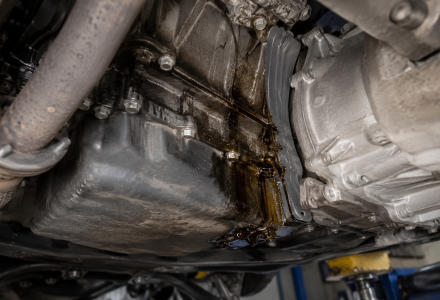
Signs of potential cylinder head damage include oil stains under the vehicle, a decrease in oil or coolant levels, engine overheating, white smoke from the exhaust, and a noticeable loss of power and performance, where the engine struggles to rev and operates inefficiently.
Cracked or Damaged Cylinder Head
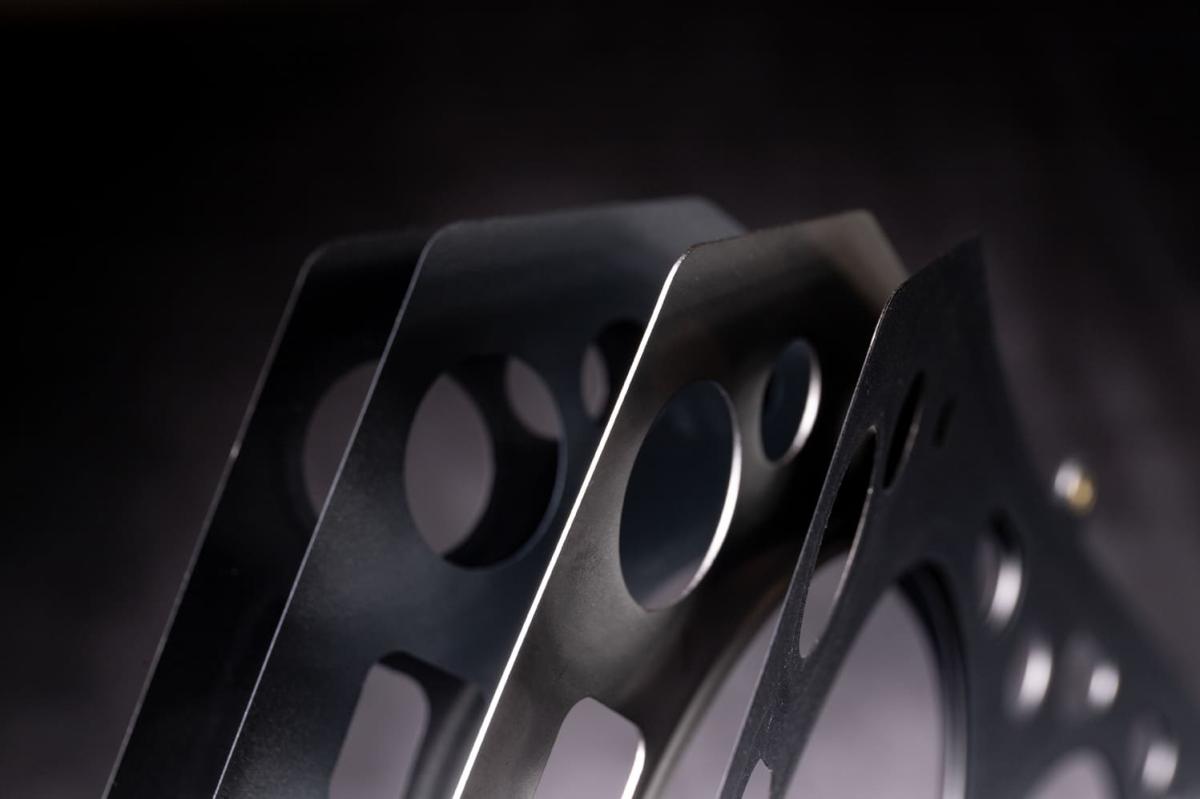
Excessive thermal stress is one of the primary causes of a cracked or damaged cylinder head. If the engine overheats beyond normal operating limits, the metal of the cylinder head can expand excessively, leading to deformation or even cracks. Engine overheating can be triggered by various issues, such as a blown head gasket or faults in the cooling system, including a clogged radiator, a malfunctioning water pump, or low coolant levels.
When the cylinder head breaks, cracks and deformations can occur, leading to a loss of compression and fluid leaks.
Additionally, mechanical stress can also damage the cylinder head: valves located in the cylinder head may bend or break due to malfunctions or a broken timing belt, causing contact between the valves and pistons.
To maintain the cylinder head in optimal condition, it is crucial to follow the manufacturer's maintenance guidelines. These include regular oil and filter changes, as well as timely replacement of the timing belt and chain, to ensure the proper lubrication and cooling of the cylinder head. Regularly checking coolant levels and using the recommended coolant is also essential to prevent overheating, which can seriously damage the cylinder head, and avoid deposits that can clog the coolant passages.
Cylinder Head Rebuilt and Resurfacing: When to Do It and Why
A damaged cylinder head can often be repaired rather than replaced, providing a cost-effective solution. Cylinder head resurfacing is a mechanical process that restores the flatness and surface of a deformed cylinder head.
This procedure offers several benefits:
- Elimination of surface imperfections: It removes any warping or irregularities that could lead to leaks or mechanical issues.
- Restoration of the seal: By ensuring a perfectly flat surface, resurfacing reestablishes a tight seal between the cylinder head and the engine block, preventing oil or coolant leaks.
- Improved engine performance: A properly resurfaced cylinder head enhances combustion efficiency, resulting in better overall engine performance.
The resurfacing process involves the removal of a thin layer of metal from the cylinder head surface using a milling machine or a surface grinder. Although the procedure may seem straightforward, it's best to avoid DIY attempts to ensure optimal and safe results. Resurfacing a cylinder head requires an experienced mechanic who can disassemble the part, inspect it with appropriate tools to identify cracks and structural anomalies, resurface the mounting surface and valves, and finally reassemble the engine components.
It's also important to note that it is not always possible to resurface a cylinder head: deep cracks, significant deformations, damage to the valve seats or guides, and excessive thickness reduction necessitate replacement of the part to ensure safety, reliability, and optimal performance.
Replacing the Cylinder Head Gasket
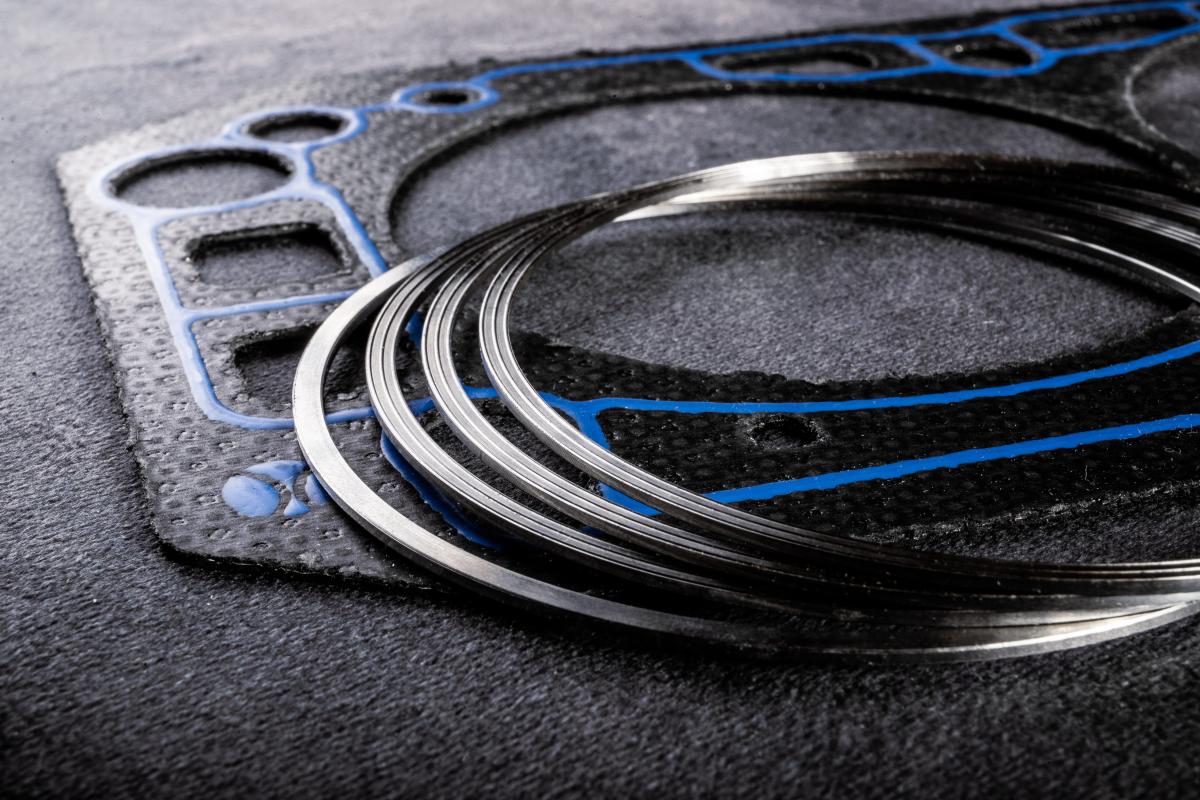
When resurfacing the cylinder head, it's standard practice to replace the gaskets to ensure a proper seal between the cylinder head and the engine block. This is because the resurfacing process can alter or realign the contact surfaces, potentially rendering the old gasket ineffective in maintaining an optimal seal.
As a standard and recommended practice, the cylinder head gasket and any other relevant gaskets—such as the intake and exhaust manifold gaskets, if removed during the process—should be replaced to guarantee the engine performs at its best after repairs.
Athena offers a comprehensive range of cylinder head gaskets for car engines, made from certified materials and manufactured with computer-aided precision to ensure resistance to vibrations and thermal stress. Additionally, our Cut Ring gaskets provide a superior sealing capability compared to OEM gaskets, making them especially popular among those who extensively modify their engines.
Visit our website to explore a complete selection of top-quality gaskets, available for purchase in just a few simple steps. Trust Athena for premium products that ensure the health and optimal performance of your vehicle.
Modificato il 16 February 2026


Ask the expert
-
 Ask the expertMoto
 -
 Ask the expertAuto
 -
 Ask the expertMoto