

Motorcycle shock absorbers: servicing and maintenance when they are worn out
Shocks are essential components of a motorcycle, as they ensure comfort, safety, and vehicle control while riding. They absorb terrain irregularities, dampen vibrations, and help maintain motorcycle stability during cornering and braking— qualities precious for off-road conditions.
Let's dive deeper into motorcycle shocks and when to service or replace them when they are worn out.

What Are Motorcycle Shocks and How Do They Work
Shock absorbers are essential parts of the suspension system, playing a crucial role in ensuring motorcycle safety, comfort, and handling. They can be found at the front (integrated into the forks) or the rear.
At the core of the shock absorber system, you'll find several key components:
- Hydraulic cylinder: This cylinder contains the oil and piston and is generally made of anodised aluminium to ensure durability and resistance to wear.
- Piston: This moves inside the cylinder in response to road conditions. It is equipped with calibrated holes to regulate oil flow and is coated with low-friction materials to ensure smooth movement.
- Rod: Connected to the piston, this slides inside the cylinder, and is either connected to the motorcycle’s rear swingarm or to the front fork. A flawless surface finish is crucial to maintaining a proper oil seal.
- Coil spring: This spring acts as the system's elastic element, compressing in response to bumps or uneven terrain, allowing the suspension to return to its neutral position. The spring stiffness can be adjusted according to the rider's weight and preferences. In motocross (MX), the spring is typically stiffer for better precision and responsiveness.
- Seals: They are strategically placed to prevent oil leakage and protect internal components from dust and dirt, ensuring long-term shock absorber efficiency and durability.
- Oil reservoir: Either integrated into the shock body or separate, it contains the hydraulic oil required for the system’s function.
- Damping valves: They control the oil flow according to the suspension’s movement speed, determining the shock absorber’s response to irregularities in the terrain.
When the wheel hits a bump or pothole, the compression phase sees the spring compress, which forces the oil through the piston’s holes. The oil’s resistance to flow through the compression damping valves determines how fast the spring compresses, damping the oscillations and controlling the motorcycle’s movement. During the extension phase, the spring expands, helping the suspension return to its resting position. The extension valves control the return speed, influencing the bike’s performance as the weight shifts.

Rear Shock Adjustment: Why It’s Important to Get It Right
Proper rear shock absorber adjustment is crucial to balancing the motorcycle's performance according to the rider's needs, the riding conditions, and the terrain type. However, its importance goes beyond just the technical aspects.
Shocks also play a key role in building that essential "feel" between the rider and the bike. This connection shapes every aspect of riding—from safety to handling.
An optimal suspension setup enables the rider to fully understand the bike’s behaviour, respond to its feedback, and, most importantly, remain in control in any situation. This translates into increased riding confidence, allowing the rider to anticipate braking performance, even in the most unpredictable moments, and tackle corners and direction changes with the precision that turns an average ride into a truly rewarding one.
The quality of the suspension directly impacts riding comfort as well. Proper adjustment significantly reduces the vibrations transmitted to the rider's arms, especially during long rides, making every mile more enjoyable.
Therefore, it is essential to consult a mechanic capable of setting the parameters to suit your specific preferences, especially in off-road contexts. On motocross tracks, the bike's response before and after a jump or on uneven terrain can make the difference between victory and disappointment. Every rider has their own style, and a poorly optimised suspension setup can cost precious seconds, compromising the entire race.
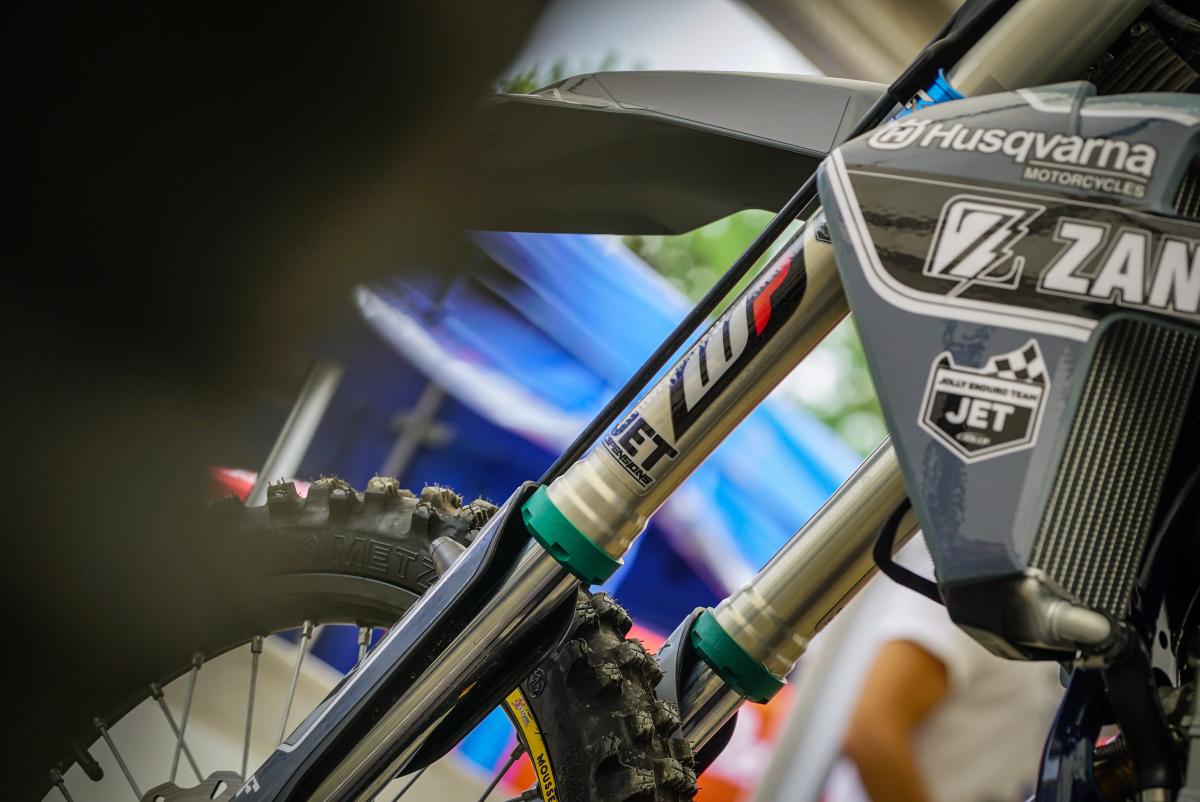
How to Adjust Motorcycle Rear Shocks
Rear shocks can be adjusted by modifying the original motorcycle components, such as the compression and rebound settings, and the spring’s preload. In some cases, replacing the entire spring or modifying the shims that regulate oil flow through the valves may also be necessary, affecting the shock’s response—making it more reactive on uneven terrain or more stable on the track.
Before setting up the suspension, it is important to familiarise yourself with the concept of preload, which regulates the initial force needed to compress the shock absorber’s spring. Proper preload adjustment is essential for achieving an optimal motorcycle setup and ensuring balanced behaviour in all riding phases. It depends on factors like:
- Rider weight: A heavier rider will require more preload to achieve adequate suspension support. Additional gear such as protective equipment, helmets, and boots worn while riding should be taken into account for an accurate weight estimate. If the rider's weight differs from the manufacturer’s calculated average to the extent that proper preload adjustment according to the values in the motorcycle manual can not be made, then replacing the original suspension springs may be necessary.
- Riding style: An aggressive rider on rough roads may prefer a higher preload, while someone who enjoys touring on smooth roads may opt for a softer preload to enhance comfort.
- Type of terrain: Rough surfaces, such as motocross tracks, require a stiffer preload to ensure greater stability.
Motorcycle Shock Service or Rebuild: When, Why, and Cost
A motorcycle shock service is essential to ensure that the components are in good condition thereby maintaining optimal performance and ensuring rider safety. It is advisable to carry out servicing according to the maintenance intervals recommended by the motorcycle manufacturer, as specified in the owner’s manual, which indicates the ideal time or mileage to keep the suspension system in good working condition.
More frequent servicing may be required after:
- Intensive use on rough terrain or extreme conditions, which can accelerate shock wear.
- Aggressive riding with frequent acceleration, hard braking, and fast cornering which puts greater stress on the shocks.
- Additional loads can impact shock wear.
- Exposure to dust, mud, water, and other external elements can accelerate the deterioration of shock components.
Servicing the shocks is crucial because, with time and use, the oil inside them can degrade, and the seals can wear out, compromising the motorbike's ability to absorb shocks and vibrations.
Motocross bikes require more frequent services than road bikes, as their suspension system is subjected to significant stress. Using high-quality components, such as the SKF shock service kit, ensures exceptional sealing properties, wear resistance, and top performance on the track.
The cost of a service depends on the type of shock and the complexity of the work. However, it’s a worthwhile investment that ensures a safer and more comfortable ride while also extending the suspension system's lifespan.
Signs of worn shocks: What to look for
Worn shocks can seriously compromise the safety and handling of the motorcycle. This section will cover the symptoms that may indicate the shocks are worn out and need attention.
- Oil leakage: If you spot oil on the shock rods, there may be a leak, indicating that the shocks are not functioning correctly. Oil leakage reduces the shocks' ability to absorb impacts and maintain vehicle stability. Additionally, it can pose a serious safety risk if the oil reaches the brake callipers and discs, reducing the friction needed for effective braking.
- Reduced ride comfort: If the motorcycle feels stiff and uncomfortable over bumps in the terrain, it's a clear sign that the shocks may be worn out. The shocks may also not be working effectively if you experience wobbling or shaking during cornering.
- Increased braking distance: Worn shocks can increase the distance required to stop the motorcycle, significantly impacting safety during emergencies. Fast, controlled braking is crucial for avoiding accidents; failing shocks can severely compromise this ability.
- Uneven tyre wear: Indicates that weight distribution and impact absorption are not uniform, leading to faster and uneven tyre wear.
Regular checks and proper maintenance can prevent significant problems and ensure the motorcycle remains safe and comfortable.
To extend the lifespan of your shocks for as long as possible, consider using high-quality components during services, such as the components for motocross motorcycle monoshocks available in the Athena shop.
Maintenance and Servicing of Motorcycle Shock Absorbers: Intervals and Costs
Shock absorbers, like all components subject to wear, require regular maintenance to ensure consistent performance and riding safety. Over time, the internal oil can deteriorate and seals may lose effectiveness, reducing the system’s ability to absorb bumps and vibrations.
To keep the suspension system efficient, it is essential to follow the manufacturer’s recommendations, as outlined in the motorcycle’s owner’s manual, regarding maintenance or service intervals. In many cases, it is not necessary to replace the entire shock absorber but rather to perform a complete service, which includes checking and replacing the oil, seals, and bushings, as well as verifying the proper settings.
Carrying out regular servicing helps preserve comfort, stability, and handling precision, while preventing costly damage to other motorcycle components such as tires and frame.
It is therefore a smart investment to extend the lifespan of the entire suspension system and maintain top performance both on and off road.
Modificato il 16 February 2026


Ask the expert
-
 Ask the expertMoto
 -
 Ask the expertAuto
 -
 Ask the expertMoto