

Engine oil leak: causes and how to fix the problem
An engine oil leak is one of the most common mechanical problems riders may encounter over the life of a motorcycle. Oil is essential for engine lubrication, heat dissipation, and component protection, but when it escapes from the lubrication system,it can quickly lead to mechanical issues and poor performance.
Typical symptoms include oil dripping under the motorcycle, oil residue on the engine, or even a burning oil smell while riding. In some cases, oil loss may affect clutch performance, especially on motorcycles with wet clutches that rely on adequate oil levels for proper operation.
Understanding why oil leaks occur, how to locate the source of the leak, and how to repair it properly is essential to keep the engine reliable. In the following sections, we will explore the most common causes, typical leak locations, diagnostic methods, and practical repair solutions.
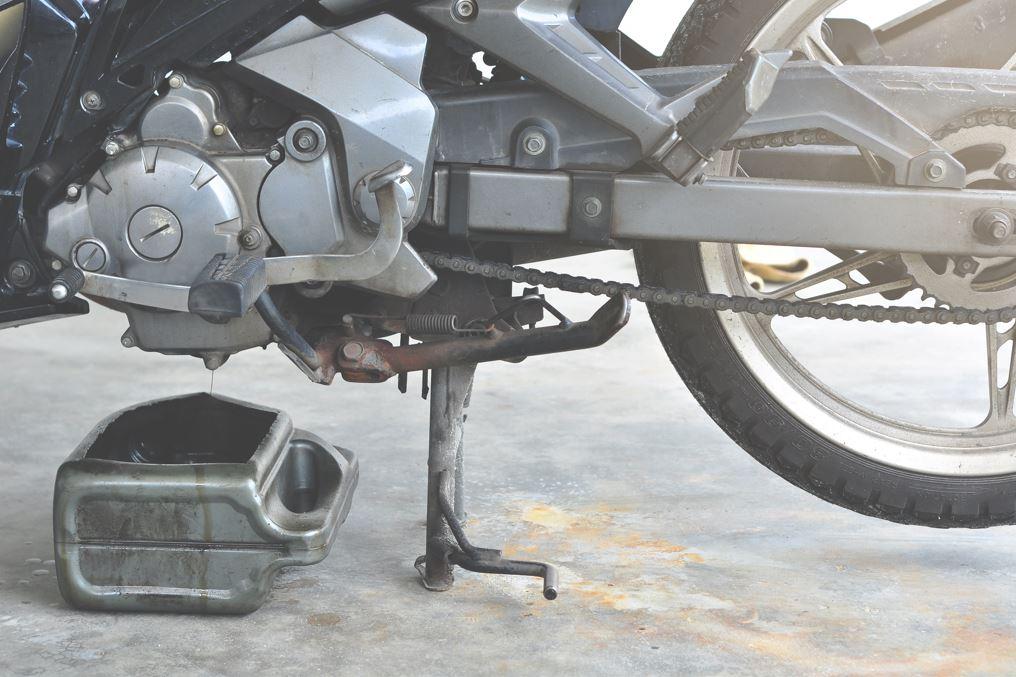
Why are engine oil leaks common in motorcycles?
An engine oil leak occurs when oil escapes from the engine’s sealed lubrication system. Motorcycle engines rely on a network of internal oil passages that distribute lubricant to moving components such as pistons, bearings, camshafts and, in many motorcycles, transmission gears as well.
To keep oil inside the engine, manufacturers rely on gaskets, oil seals and sealing surfaces. These components must withstand high temperatures, engine vibrations, pressure changes and mechanical stress.
Over time, several factors can compromise this sealing system. As the motorcycle accumulates mileage, gaskets may harden, oil seals may lose elasticity, and engine components may deform slightly due to repeated thermal cycles. When this happens, oil can begin to escape from the engine.
Some of the most common warning signs include:
- oil dripping under the motorcycle after parking,
- oil residue on the engine casing or frame,
- a burning oil smell while riding,
- clutch contamination and slipping.
Even small leaks should never be ignored. Oil loss reduces lubrication efficiency and may lead to premature engine wear or overheating. To understand how to solve the problem, it is important to identify why leaks develop in the first place, which we examine in the next section.
Engine oil leak causes: why does a motorcycle start leaking oil?
Motorcycle oil leaks are usually the result of a gradual deterioration of the engine sealing system. Modern motorcycle engines rely on a complex network of sealing components designed to keep lubricant circulating inside the lubrication system.
These components include engine gaskets, oil seals, crankshaft seals, valve cover gaskets and crankcase sealing surfaces. When any of these elements loses elasticity or becomes damaged, oil can begin to escape from the engine.
The most frequent causes are related to worn sealing components:
- worn engine gaskets: over time, heat cycles can harden the material of a motorcycle engine gasket, reducing its sealing ability;
- damaged oil seals: rotating shafts such as the crankshaft or camshaft rely on flexible oil seals that may wear out after thousands of kilometres;
- loose engine covers or crankcase bolts: vibrations can gradually reduce torque on fasteners, allowing oil to seep through sealing surfaces;
- incorrect installation during maintenance: improper torque or misaligned components can compromise the integrity of the sealing system;
- deteriorated O-rings: O-rings used in oil lines or oil filter housings may wear over time and cause minor but persistent leaks.
- Reused or damaged sealing washers: if a sealing washer is reused or damaged, it may no longer ensure a proper seal and can lead to small oil leaks.
Temperature fluctuations also contribute to the problem. Every time the engine warms up and cools down, metal components expand and contract. Over time, this mechanical stress can affect gaskets and sealing surfaces.
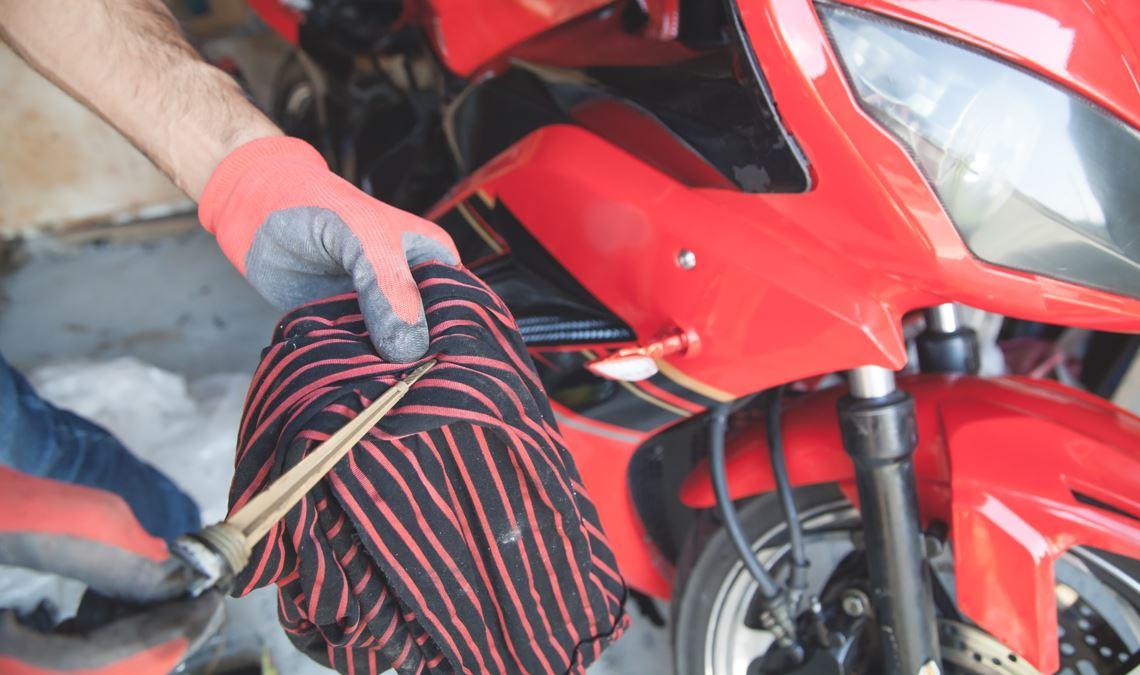
What is the most common cause of engine oil leak? Which gasket is involved more often?
The most common source of oil leaks in motorcycles is a worn valve cover gasket or deterioration of the crankcase sealing surfaces. These components seal critical joints in the engine and prevent oil from escaping while the lubrication system is under pressure.
The valve cover gasket seals the upper part of the engine, which is exposed to high temperatures and continuous heat cycles. Over time, the gasket can harden and lose elasticity, allowing oil to seep out. In addition, during routine maintenance operations such as valve clearance checks, the valve cover gasket is sometimes reused instead of being replaced with a new one, increasing the risk of leakage.
In some cases, the issue is not caused only by the gasket itself, but also by the failure to restore the silicone sealant in critical areas of the cover, such as around the metal-and-rubber inserts near the camshafts. These points are particularly sensitive and require proper sealant application to ensure an effective seal. In such situations, using a dedicated sealant such as Athesil can help restore proper sealing in the most stressed areas.
The crankcase sealing surfaces, on the other hand, are exposed to constant engine vibrations and thermal stress. If the sealing material deteriorates or the surfaces lose proper alignment, oil may begin to escape from the lower part of the engine.
When these seals begin to deteriorate, riders may notice oil residue on the engine, small oil drops near engine covers, or a light burning oil smell during riding. For this reason, inspecting the condition of the valve cover and crankcase sealing areas is often the first step in diagnosing an engine oil leak.
Engine oil leak locations: where does oil usually leak from on a motorcycle?
When diagnosing a motorcycle engine oil leak, the location where oil appears is often the most important clue. Different components in the engine lubrication system rely on specific sealing elements, and each of them can become a potential leak point.
- Valve cover leaking oil (top of the engine): a worn motorcycle valve cover gasket may allow oil to escape from the top part of the engine. Heat exposure and ageing are common causes of deterioration.
- Oil leaking from engine covers: covers such as the clutch cover or stator cover rely on flat engine gaskets. When these gaskets compress or become brittle, oil may start leaking from the side of the engine.
- Oil leaking from crankshaft seals: the motorcycle crankshaft seal prevents oil from escaping around rotating shafts. When worn, oil may appear near the sprocket area or behind engine covers.
- Oil leaking from the water pump area: some motorcycles use combined sealing systems around the water pump seal. When this component wears out, it can lead to oil leakage or coolant contamination.
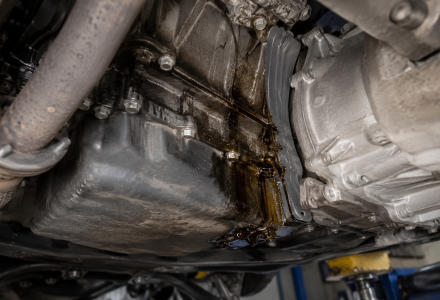
- Oil leaking from the bottom of the engine: leaks near the lower part of the engine may involve the crankcase sealing surfaces or the oil drain plug sealing washer. Another very common source is a worn lower crankcase gasket; since the lower crankcase half sits at the lowest point of the engine and holds the lubricant reservoir, any degradation in this gasket will result in persistent dripping when the bike is parked.
Once the general area of the leak is identified, riders can begin investigating maintenance-related causes, particularly if the problem appeared after servicing.
Oil leaking after oil change: common mistakes during maintenance
In some cases, an engine oil leak appears shortly after an oil change. When this happens, the cause is often related to a small mistake made during routine maintenance rather than a worn engine component.
During an oil change, key parts of the lubrication system are opened and resealed, including the oil filter housing and drain plug. If any of these elements are not installed correctly, oil may start leaking once the engine builds pressure during operation.
The most common causes of oil leaks after maintenance include:
- Oil filter not tightened properly. If the oil filter is too loose, pressurised oil may seep around the sealing ring. An even more serious situation occurs when the filter is overtightened: excessive tightening may damage the sealing O-ring, cut it, or force it out of its seat. This creates a particularly dangerous condition, because oil may leak from the filter while the motorcycle is moving and, in some cases, reach the rear tyre, causing loss of grip and creating a serious safety hazard.
- Damaged or reused drain plug washer. The drain plug usually relies on a crush washer or sealing washer designed to deform slightly when tightened. Reusing the same washer can prevent proper sealing.
- Oil filter gasket misalignment. If the rubber gasket of the oil filter is not correctly seated, oil can escape around the filter housing once the engine starts.
- Overfilled engine oil. Filling the engine with too much oil can increase crankcase pressure and cause oil to be forced past seals or gaskets.
- Old gaskets reused during servicing. When engine covers are removed for maintenance, the existing gasket may already be compressed and unable to seal properly when reinstalled.
Another common situation occurs when oil residue from the oil change is left on the engine surfaces. During the first ride, this residue may drip or burn off, creating the impression of a leak even when the engine is sealing correctly.
To avoid any complication, after completing an oil change it is always good practice to clean the engine area, run the engine briefly, and check for fresh oil traces.o.
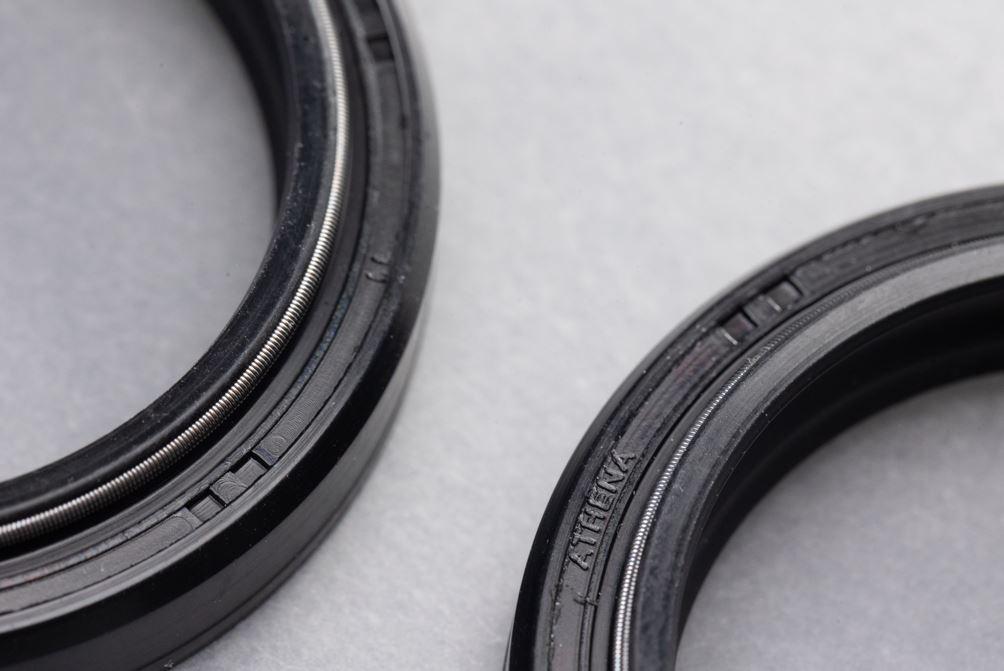
Dirt bike leaking oil: why are off-road motorcycles more susceptible?
Oil leaks can occur on any motorcycle, but dirt bikes and off-road motorcycles are generally more susceptible to this type of problem. The reason lies in the operating conditions: off-road riding subjects the engine and its sealing components to significantly higher mechanical stress compared to normal road use.
Several factors increase the risk of sealing failures, such as strong engine vibrations during off-road riding, impacts from rocks or debris, and higher thermal stress due to aggressive riding conditions.
Off-road motorcycles also require frequent maintenance and disassembly, which increases the chances of gasket wear or improper reinstallation.
Can you ride with an engine oil leak?
Riding with a motorcycle engine oil leak is generally not recommended. Even a small leak can gradually reduce the amount of lubricant available inside the engine.
Low oil levels can cause increased friction between moving parts, higher engine temperatures and accelerated wear of internal components.
In more severe cases, leaking oil can reach the rear tyre or braking components, creating a potential safety hazard.
If a leak is detected, the safest approach is to identify the source and repair it as soon as possible.
Motorcycle oil leak diagnosis: how to find the source of the leak
Diagnosing a motorcycle oil leak is not always straightforward. Oil can spread across engine surfaces and collect in areas far from the original leak, making it difficult to identify the exact source at first glance.
For this reason, a careful and methodical inspection is essential. A few simple checks can help narrow down the problem and reveal where the leak actually begins.
A practical inspection process includes the following steps:
- Cleaning the engine before inspection: removing existing oil residue helps reveal fresh leaks.
- Running the engine briefly: allowing the engine to run may help identify where oil first appears.
- Inspecting gaskets and seals: looking for visible cracks, hardened material, or misaligned components.
It is also worth remembering that oil mist from the crankcase breather system can sometimes be mistaken for an oil leak.
Once the leak source is confirmed, it becomes easier to determine the appropriate repair.
Engine oil leak repair: how to fix the problem in motorcycles
Fixing a motorcycle engine oil leak usually means restoring the integrity of the engine sealing system. Once the source of the leak has been identified, the repair typically involves replacing worn sealing components or correcting installation issues that prevent the engine from sealing properly.
Motorcycle engines rely on several elements to keep oil contained inside the lubrication system, including gaskets, oil seals, sealing washers and properly torqued engine covers. When one of these components deteriorates or is installed incorrectly, oil can escape from the engine.
Here are the most common repair procedures:
- Replacing damaged engine gaskets. Flat gaskets used on engine covers or crankcase joints may lose elasticity over time. Installing a new gasket restores the correct sealing surface between engine components.
- Installing new oil seals. Components such as crankshaft seals or water pump seals prevent oil from escaping around rotating shafts. When worn, these seals must be replaced to restore proper lubrication containment.
- Fixing valve cover leaking oil. A leaking valve cover gasket is one of the most common oil leak sources. Replacing the gasket and tightening the cover to the correct torque specification usually solves the problem.
- Repairing leaks from engine covers. Oil leaks from clutch covers or stator covers often occur after maintenance. In these cases, installing a new gasket and tightening bolts according to the manufacturer’s torque specifications is essential.
Can I fix an oil leak myself?
Some motorcycle oil leaks can be repaired by riders who have basic mechanical experience and the proper tools. For example, replacing components such as oil drain plug washers, valve cover gaskets, or external engine cover gaskets is usually manageable with standard workshop tools and a service manual.
However, repairs involving internal oil seals, crankshaft seals or crankcase sealing surfaces are more complex. These operations often require partial engine disassembly, specific tools, and the ability to work correctly on mechanical components that may also be particularly delicate from a rider safety perspective.
For riders who are not familiar with engine work, it is usually safer to rely on a qualified mechanic. Incorrect installation of gaskets or seals can cause new leaks or even lead to lubrication issues that may damage the engine.
Is an engine oil leak expensive to fix?
The cost of repairing an oil leak varies depending on the affected component. Replacing a simple gasket may be relatively inexpensive, while repairs involving engine disassembly may require more labour and specialised tools.
In many cases, addressing the problem early prevents more expensive repairs later.
Athena engine sealing components for motorcycle oil leak repair
Restoring proper engine sealing often requires replacing worn sealing components with reliable parts.
Athena is a manufacturer specialising in motorcycle engine sealing solutions, offering products designed to maintain proper lubrication and prevent oil leaks.
Typical sealing solutions include complete engine gasket kits, top end gasket kits, oil seals, valve cover gaskets, O-ring, water pump gaskets and fuel hoses
Engine sealing components are essential for maintaining stable oil pressure and proper lubrication inside the engine. Precision-manufactured gaskets and oil seals help contain lubricant within the crankcase and prevent leaks around critical areas such as engine covers, crankshafts and water pump assemblies.
This level of sealing reliability is particularly important in high-performance engines and off-road motorcycles, where vibration, heat cycles and mechanical stress can accelerate the wear of sealing surfaces.
How to prevent engine oil leaks in motorcycles
Some motorcycle oil leaks can be repaired by riders who have basic mechanical experience and the proper tools. For example, replacing components such as the oil drain plug washer, the valve cover gasket, or external engine cover gaskets is usually manageable with standard workshop tools and the support of a service manual.
However, repairs involving internal oil seals, crankshaft seals, crankcase sealing surfaces, or other components that require engine disassembly are more complex. These operations often require specific tools and the right technical skills to remove and install sealing components correctly.
In addition, when the repair involves delicate mechanical parts or components that may affect the rider’s safety, it is even more important to avoid improvised work. Incorrect installation can cause new leaks, lubrication issues, or, in the worst cases, compromise engine reliability and riding safety.
For riders who are not familiar with engine work, it is therefore usually safer to rely on a qualified mechanic.
Modificato il 04 September 2026


Ask the expert
-
 Ask the expertMoto
 -
 Ask the expertAuto
 -
 Ask the expertMoto