

Front wheel rattling noise on a motorcycle? Check the bearings to fix it
A rattling noise from the front wheel is one of those issues riders tend to ignore—until it becomes impossible to overlook. Whether you notice it over bumps, while accelerating, or during cornering, that metallic vibration often points to a deeper mechanical problem.
In most cases, the culprit is worn or contaminated wheel bearings, but not always. Brakes, suspension components, or improper installation can also play a role. In this guide, we’ll walk through how to identify the source of the noise, how to inspect your bike properly, and—most importantly—how to fix and prevent the issue with reliable solutions.
Let’s start by understanding why this noise appears in the first place.
Why is there a rattling noise coming from the front wheel?
A rattling noise from the front wheel is rarely random. It usually indicates mechanical play, vibration, or irregular contact between components that should otherwise move smoothly and precisely.
In a healthy system, the front wheel rotates with consistent, silent motion. When a rattling sound appears, it often means that one or more components—most commonly the bearings—are no longer operating under optimal conditions.
The key point is this: noise is a symptom, not the root cause. Identifying the underlying cause is essential before attempting any fix. In the next section, we’ll clarify what that noise really means and when it becomes a concern.
Front wheel rattling noise: what it means and when to worry
Not every sound coming from your motorcycle is a sign of failure. However, a persistent rattling noise is different from normal operational sounds.
A light, occasional vibration over rough terrain can be acceptable, especially in off-road riding. However, when the noise becomes frequent or constant, appears even on smooth surfaces, becomes more noticeable at speed or under load, or is accompanied by vibration or instability, it is time to investigate.
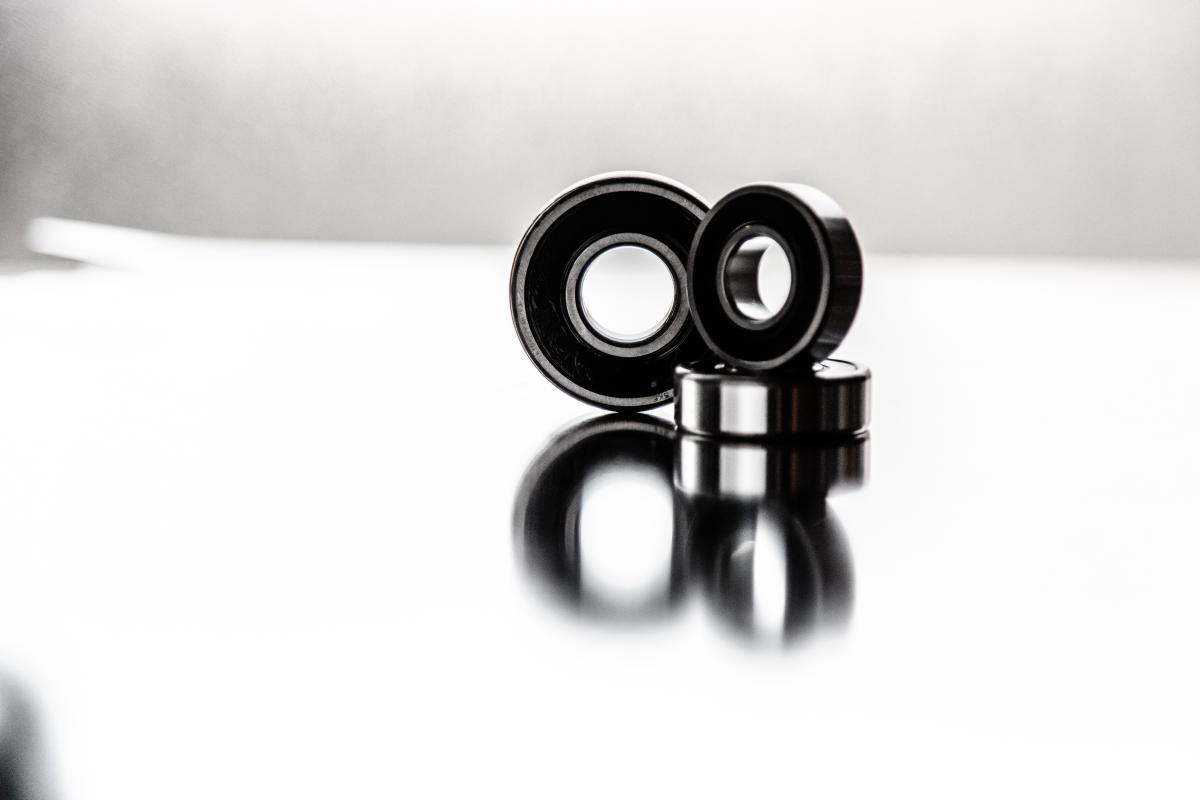
The most common cause is irregular movement inside the bearing, often due to wear or contamination. Over time, contaminants like dirt and water enters the bearing, damaging the internal rolling elements. This creates micro-impacts during rotation, perceived as a rattling or clicking sound.
Understanding when and how the noise appears can help narrow down the cause, which is exactly what we’ll explore next.
When does the rattling noise occur?
The conditions under which the noise occurs provide valuable diagnostic clues. Different riding situations stress the front wheel in different ways, revealing specific types of issues.
Noise over bumps
If the rattling becomes more noticeable over bumps or rough terrain, it often indicates excessive play in the bearing or looseness in related components.
In worn bearings, the internal surfaces are no longer smooth. Instead, they develop tiny imperfections caused by contamination, leading to a “jumping” motion of the rolling elements. When the suspension compresses over bumps, these irregularities become more pronounced, producing noise.
Rattling noise during acceleration
A rattling sound under acceleration can point to load-related stress on the bearing. As forces increase, any internal damage or wear becomes more evident.
In some cases, improper installation—such as incorrect torque on the wheel axle—can amplify this issue. Excessive tightening creates abnormal lateral loads, accelerating wear and causing noise.
Noise when turning
When the noise appears during cornering, the issue may be related to side loads acting on the bearing.
Motorcycles naturally apply lateral forces when leaning, but if the setup has been modified improperly or subjected to excessive stress, these loads can damage the bearing tracks. Over time, this results in uneven wear and audible rattling during turns.
Now that we understand the conditions, let’s break down the actual causes.
What causes front wheel rattling noise on a motorcycle?
Several components can contribute to a rattling noise, but some causes are far more common than others. The goal here is to distinguish between primary causes (like bearings) and secondary contributors such as brakes or suspension.
Bad front wheel bearing on a motorcycle
Worn or damaged front wheel bearings are the most common and critical cause of rattling noise while riding. Although bearings are designed to operate in a sealed environment, over time contaminants such as dirt, grit and water can find their way inside, especially in demanding riding conditions.
Once contamination enters the bearing, it begins to act as an abrasive agent. The smooth surfaces of the balls and races become progressively damaged, losing their ability to ensure consistent and smooth rotation. Instead of moving fluidly, the rolling elements start to skip or “jump” over microscopic imperfections along the raceways.
This loss of smoothness translates directly into vibration and noise. The effect becomes more noticeable at higher speeds or under load, when the stresses on the bearing increase and the irregular motion is amplified.
Importantly, once a bearing starts producing a rattling noise, its condition tends to deteriorate quickly. Continued use accelerates wear, leading to increased play, higher operating temperatures, and, in severe cases, complete failure. For this reason, replacement should not be postponed once the first symptoms appear.
Could the brakes be causing the rattle?
In some cases, the source of the noise may not be the bearings but the braking system itself. Components such as floating brake discs and calipers are designed to allow a small amount of movement, which can generate a light rattling sound, especially at low speeds or when riding over uneven surfaces.
This type of noise is generally more subtle and less regular than the one caused by worn bearings. It tends to appear intermittently rather than continuously and usually does not increase significantly under load. A simple way to check is to apply the front brake lightly while riding: if the noise changes or disappears, it is likely related to the brake components rather than a deeper mechanical issue.
Suspension and fork-related noises
Not all front-end noises come from the wheel itself. In some cases, the source can be found in the suspension or fork assembly, particularly when there is wear in the bushings or a slight amount of internal play.
Unlike bearing-related issues, however, these noises tend to feel and sound different. Instead of a sharp or metallic rattle, suspension-related sounds are usually more muted, dull, or “thumping”, especially when the fork compresses over bumps. Being able to distinguish between these types of noise is essential for an accurate diagnosis and helps avoid unnecessary component replacement.
Improper torque or installation issues
Another often overlooked cause is incorrect installation, particularly when it comes to tightening the front wheel assembly. Applying too much torque to the wheel axle can introduce excessive lateral stress on the bearings, forcing them to operate outside their optimal conditions and accelerating wear over time.
For this reason, it is essential to always follow the manufacturer’s torque specifications. Even small deviations can have a significant impact on bearing performance and lifespan, especially under demanding riding conditions.
Once the potential causes have been identified, the next step is to check the actual condition of the bearings, using a few simple but effective inspection methods.
How to check front wheel bearings on a motorcycle
A proper inspection of front wheel bearings does not require specialized tools, but it does demand a methodical approach and careful attention to detail. The objective is to identify early signs of wear, such as excessive play, irregular rotation, or abnormal resistance, before they develop into more serious mechanical issues.
Start with a visual inspection: look for damaged seals, leaks, or signs of contamination.
Then move to mechanical checks:
Check for play and movement by lifting the front wheel and moving it side to side. Any noticeable play suggests worn bearings.
Perform a rotational smoothness test by spinning the wheel and listening carefully. A healthy bearing should rotate smoothly and quietly, without grinding or clicking.
These simple tests can quickly confirm whether the bearings are the source of the rattling. If they are, replacement is the only reliable solution—which we’ll cover next.
How to fix a rattling noise from the front wheel by replacing the bearings
When front wheel bearings are worn or damaged, repair is not a reliable option. To restore proper function and ensure safe riding conditions, replacement is the only effective solution.
If you notice rattling noise, vibration, or excessive play, it is important not to delay repairs. Continuing to ride in these conditions can accelerate wear, leading to progressive damage, increased instability, and, in severe cases, critical failure of the component.
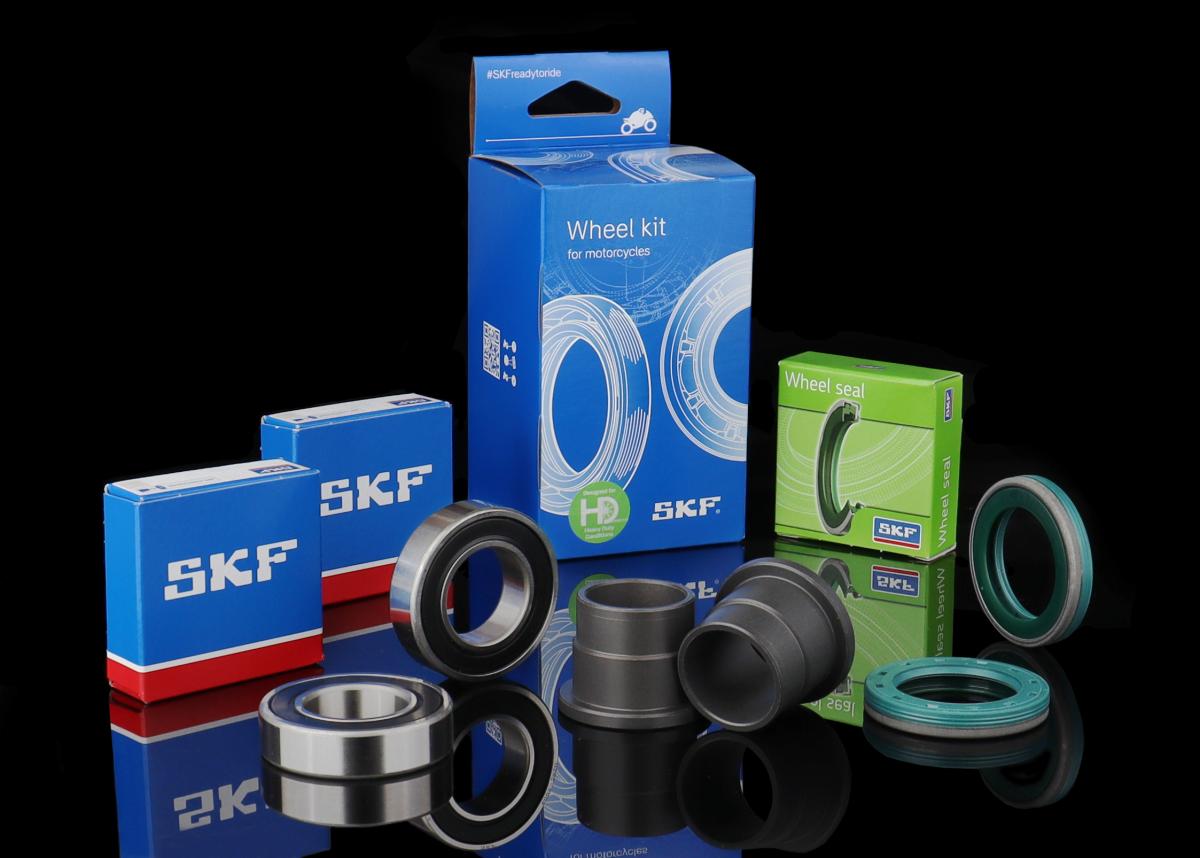
It is also important to consider bearings and seals work as a system. Even if only one bearing appears compromised, best practice is to replace both bearings together with the seals. This approach ensures balanced performance and significantly reduces the risk of future contamination, which is one of the main causes of premature wear.
Finally, correct installation plays a crucial role in the longevity of the new components. Bearings must be installed evenly and without misalignment, and the wheel axle must be tightened according to the manufacturer’s torque specifications. Incorrect torque, especially over-tightening, can introduce excessive lateral stress, compromising the performance and lifespan of the bearings from the very beginning.
Choosing a reliable front wheel bearing and seal kit
Selecting high-quality components is a key factor in ensuring long-term durability and consistent performance. Not all bearing kits offer the same level of reliability, especially when the motorcycle is used in demanding conditions or exposed to dirt, water, and repeated stress.
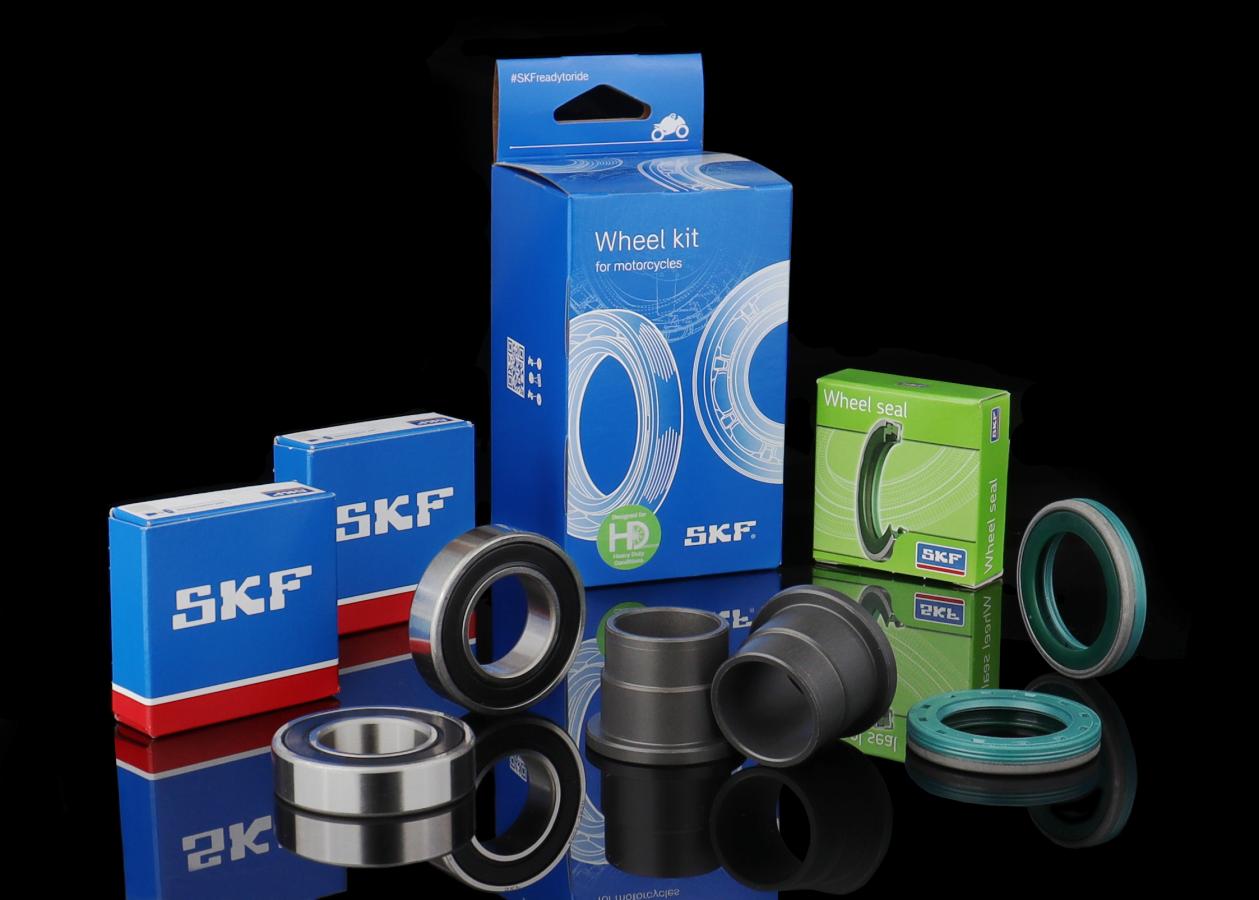
Athena’s wheel bearing kits and wheel overhaul kits, developed in partnership with premium manufacturers such as SKF, are designed to meet or exceed OEM standards. This means you can rely on precise fitment, smooth operation, and a high level of resistance to mechanical stress, even under intensive use. The components are engineered for perfect interchangeability with original parts, making installation straightforward while maintaining optimal performance over time.
For riders who frequently face extreme environments—particularly in off-road disciplines—choosing the right sealing solution becomes even more important. In these cases, HD wheel seal kits provide enhanced protection against contamination, helping to keep dirt and moisture out of the bearing and significantly extend its service life.
Once the repair is properly completed with quality components, the focus naturally shifts to preventing the issue from recurring, starting with regular maintenance and proper protection.
How to prevent front wheel rattling noise: maintenance tips
Preventing a rattling noise from the front wheel largely depends on protecting the bearings from contamination and excessive stress. In most cases, wear develops gradually due to dirt, water, and harsh riding conditions.
Wheel seals play a crucial role as the first line of defense, preventing debris and moisture from entering the bearing and preserving smooth rotation. This becomes even more important in off-road riding, where exposure to mud and water is constant and components are subjected to higher stress.
Even small amounts of contamination can damage the internal surfaces, leading to increased friction, irregular movement and noise over time. For this reason, regular inspections and timely replacement of worn seals are essential to extend bearing life and avoid recurring issues.
FAQ – Front wheel rattling noise on motorcycles
Is it safe to ride with a rattling front wheel?
Riding with a rattling front wheel depends on how advanced the underlying issue is. In the early stages, a worn bearing may produce noise without immediately affecting handling, but the problem should not be overlooked. As the condition worsens, the bearing can develop excessive play, which directly impacts stability and control. In more severe cases, this can lead to serious mechanical failure, making riding unsafe.
For this reason, when the noise becomes more pronounced or is accompanied by vibration, the safest approach is to stop and inspect the motorcycle.
Is front wheel rattling noise normal on dirt bikes?
A certain level of noise from the front wheel can be normal on dirt bikes, as rough terrain naturally causes movement and stress within components. However, a persistent rattling noise is not part of normal operation.
When the sound becomes constant, more noticeable over time, or is combined with vibration, it usually indicates wear or damage that requires attention. In these cases, a proper inspection is necessary to prevent further deterioration.
When should wheel bearings be replaced?
Wheel bearings should be replaced based on their condition rather than a fixed schedule. The moment a rider notices rattling noise, vibration, or excessive play, the bearings should be considered worn and replaced without delay. Waiting too long can accelerate damage and affect overall safety.
Regular inspections, especially after intensive or off-road use, help identify early signs of wear and ensure that the motorcycle remains reliable over time.
Modificato il 21 May 2026


Ask the expert
-
 Ask the expertMoto
 -
 Ask the expertAuto
 -
 Ask the expertMoto