

Valve Cover Gasket Leak on a Motorcycle: Symptoms, Causes and How to Fix It
A motorcycle valve cover gasket leak usually begins as a small trace of oil near the top of the engine. As the oil spreads across the cylinder head and collects dirt, however, the affected area can appear much larger and the true source may become difficult to identify.
Depending on the engine layout and the severity of the leak, the problem may also cause a burning oil smell, external smoke, oil contamination around the spark plugs or a gradual reduction in the engine oil level.
Recognizing the symptoms and understanding the possible causes makes it easier to locate the leak, distinguish it from other upper-engine problems and determine whether the gasket needs to be replaced.
What does a motorcycle valve cover gasket do?
The valve cover gasket seals the joint between the removable valve cover and the upper part of the cylinder head. Beneath the cover, engine oil lubricates the camshafts, rocker arms and other parts of the valvetrain.
Its purpose is to keep lubricating oil inside the engine while preventing dust, dirt and other external contaminants from entering the protected area. To maintain an effective seal, the gasket must withstand hot engine oil, vibration and repeated heat cycles.
Valve cover gasket vs head gasket: what is the difference?
The valve cover gasket and the head gasket are both located in the upper part of the engine, but they seal different joints and perform different functions.
The valve cover gasket seals the removable cover above the valvetrain and mainly prevents external oil leaks. The head gasket sits lower in the engine, between the cylinder head and the cylinder or engine block. It must contain combustion pressure and seal the oil passages as well as, on liquid-cooled motorcycles, the coolant passages.
Oil around the valve cover or upper cylinder head therefore does not indicate head gasket failure on its own.
Valve cover gasket leak symptoms: the most common signs
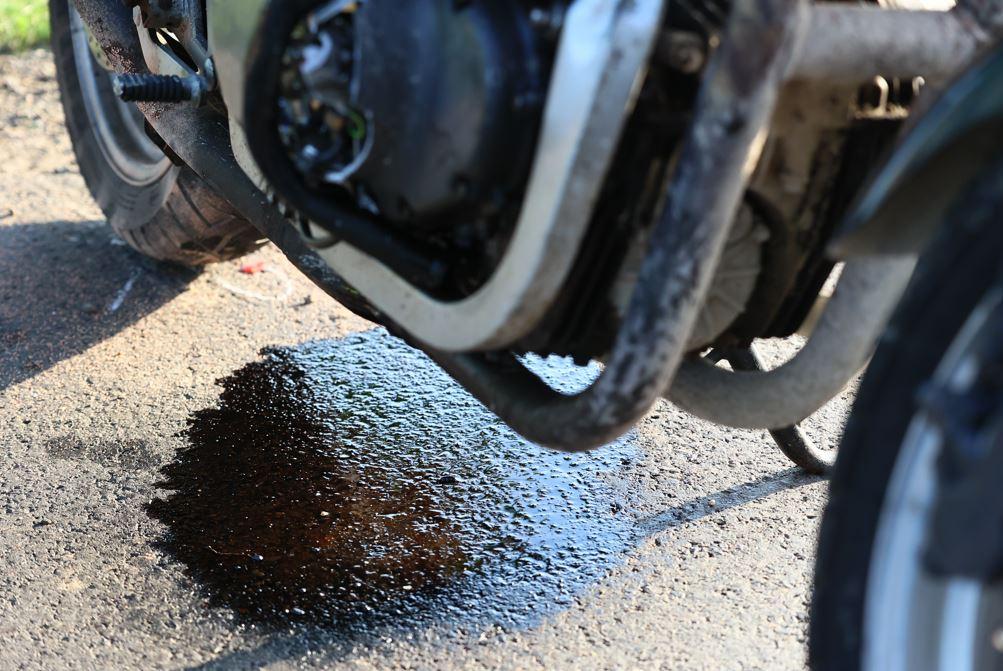
A valve cover gasket leak often first appears as a damp or glossy line around the edge of the cover. As oil spreads and attracts dust, it can form dark deposits that make the affected area look more extensive than the active leak.
The most common symptoms include:
- Fresh oil or dampness around the valve cover. The first signs often appear along the joint between the cover and cylinder head or around the bolt grommets.
- Dark oil-and-dirt deposits. Oil that remains on the engine collects dust, road debris or mud and creates a sticky buildup.
- A burning oil smell or external smoke. This may occur when leaking oil reaches an exhaust header or another hot engine surface.
- Oil inside the spark plug wells. On engines fitted with spark plug tube seals, oil may contaminate plug boots or ignition coils.
- Oil drops after parking. A more developed leak may allow oil to run down the engine and collect beneath the motorcycle.
- A gradual reduction in the oil level. A small seep may not cause an immediate change, but a more substantial leak can lower the engine oil level noticeably.
These symptoms are not exclusive to the valve cover gasket. Oil spilled during maintenance, a leaking breather connection or another upper-engine seal can produce similar signs. Other types of motorcycle engine oil leaks should therefore be considered, and the source should be confirmed before any component is replaced.
What causes a motorcycle valve cover gasket to leak?
A valve cover gasket is continuously exposed to heat, vibration, compression and hot oil. Over time, repeated heating and cooling cycles can harden or shrink the material, reducing its ability to follow the expansion and contraction of the valve cover and cylinder head.
The main causes include:
- Incorrect installation. A gasket that is not seated evenly may receive insufficient pressure and allow oil to escape.
- A pinched or displaced gasket. The gasket can move while the cover is being installed, especially when access is limited.
- Reuse of a worn gasket. A hardened, flattened or damaged gasket may no longer recover its original shape or seal correctly.
- Worn bolt grommets, O-rings or spark plug tube seals. Bolt grommets can harden or lose elasticity and allow oil to leak around the valve cover fasteners. Similarly, worn spark plug tube seals can allow oil to enter the spark plug wells.
- Incorrect fastener tightening. Uneven torque can compress the gasket inconsistently, while overtightening may crush it, distort the cover or damage the cylinder head threads.
- Dirty or damaged sealing surfaces. Oil residue, scratches, old gasket material or hardened sealant can prevent the gasket from sitting flat.
- A damaged or warped valve cover. An uneven cover may not apply consistent pressure across the gasket, causing the leak to return.
- Incorrect use of sealant. Excess sealant can interfere with gasket positioning or enter the engine and should only be applied where specified.
- Abnormal crankcase pressure. A restricted breather system can force oil past the weakest seal.
On dirt bikes and other off-road motorcycles, frequent vibration, demanding use and repeated heat cycles may accelerate gasket wear. Mud and dust do not normally cause the gasket to fail directly, but they can hide the source of the leak and make diagnosis more difficult.
How to detect a motorcycle valve cover gasket leak
Because oil can spread across the cylinder head and run toward lower engine components, the visible residue does not always reveal the true source. Oil found near the bottom of the engine may also be related to a separate problem, such as an oil pan gasket leak. The most reliable method is to clean the affected area and identify where fresh oil first reappears.
To inspect the engine:
- Allow the motorcycle to cool fully. This reduces the risk of burns and makes the upper engine area safer to clean.
- Check the engine oil level. Follow the manufacturer’s procedure and do not continue riding if the level is below the safe range.
- Clean the upper engine area. Remove existing oil and dirt from the valve cover perimeter, bolt grommets, breather connections and spark plug areas.
- Warm the engine carefully. Allow it to reach normal operating temperature while keeping hands, tools and clothing away from hot or moving components.
- Inspect the area again. Look for the highest point where fresh oil appears, since oil found lower down may have traveled from a component above it.
A short test ride may help reveal a small leak that only appears under normal operating conditions, provided the motorcycle is safe to use. If the source cannot be identified, the oil level continues to fall or oil reaches the exhaust, the motorcycle should be inspected by a qualified technician.
Valve cover gasket leak or head gasket leak: how to distinguish them
The main difference lies in the systems affected. A valve cover gasket leak is generally limited to external oil sealing, while head gasket failure may involve the combustion chambers, cooling system and internal oil passages.
On a liquid-cooled motorcycle, possible warning signs include unexplained coolant loss, overheating, abnormal cooling-system pressure, milky oil or persistent white exhaust steam after the engine has warmed up. Combustion gases may also enter the cooling circuit.
These symptoms do not confirm head gasket failure on their own, but they require a different diagnosis from an external oil leak. If overheating, coolant contamination or fluid mixing is suspected, the motorcycle should be inspected by a qualified technician.
How to fix a valve cover gasket leak
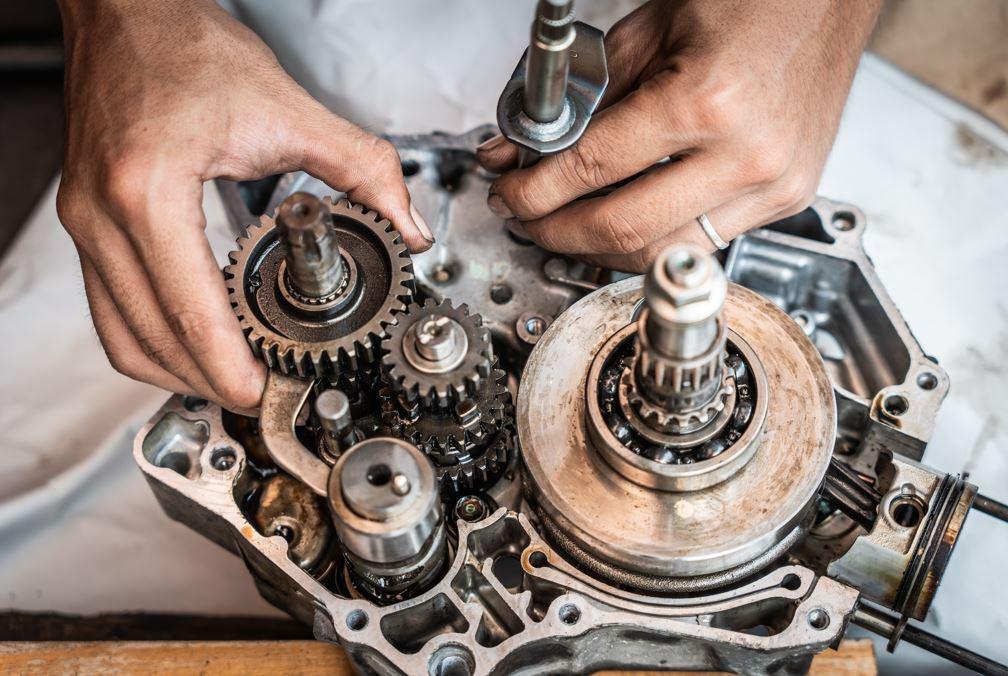
The correct repair is usually to remove the valve cover, inspect the complete sealing system and install the appropriate replacement gasket.
The inspection should also cover the gasket groove, mating surfaces, bolt grommets, O-rings and spark plug tube seals. Compare the new gasket with the removed component and check the condition of all related seals. Worn or hardened bolt grommets can allow oil to leak around the valve cover fasteners, while damaged spark plug tube seals can allow oil to enter the spark plug wells. Any component that is hardened, cracked, distorted or permanently compressed should be replaced.
Depending on the motorcycle application, spark plug tube seals may be integrated into the valve cover gasket or supplied as separate components. When they are separate, their condition should be checked and they should be replaced when necessary at the same time as the valve cover gasket.
Can tightening the valve cover bolts stop the leak?
Tightening the valve cover bolts may help only if they have loosened and can be returned to the torque specified by the motorcycle manufacturer. It will not repair a gasket that is hardened, cracked, shrunken or out of position.
Overtightening the bolts can crush the gasket, damage the grommets, deform the cover or strip the cylinder head threads. Always follow the workshop manual’s specified torque and tightening sequence.
How to replace a motorcycle valve cover gasket
Replacing a motorcycle valve cover gasket can be more complex than it appears because access varies significantly between models. On some motorcycles, the fuel tank, airbox, fairings, ignition components and wiring must be removed before the valve cover can be reached.
The main stages generally include:
- Accessing and removing the valve cover after allowing the engine to cool and cleaning the surrounding area.
- Inspecting the gasket, related seals and mating surfaces for wear, contamination, damage or distortion.
- Installing the correct replacement gasket and applying sealant only where specified by the motorcycle manufacturer.
- Reassembling the valve cover correctly, following the prescribed tightening sequence and torque values.
- Checking for fresh oil leaks after the engine has warmed up.
The procedure may be relatively straightforward on an accessible single-cylinder engine, but considerably more demanding on a fully faired or multi-cylinder motorcycle. Limited space also increases the risk of pinching the gasket, damaging connectors or tightening the cover incorrectly.
Since the valve cover is also removed during some valvetrain maintenance operations, gasket inspection or replacement may be carried out together with motorcycle valve inspection and adjustment.
The model-specific workshop manual must always be followed. Riders without suitable tools or mechanical experience should have the replacement carried out by a qualified motorcycle technician.
Motorcycle valve cover gasket replacement cost and repair time
Replacement cost and repair time depend mainly on how easily the valve cover can be reached. An accessible single-cylinder engine may require limited disassembly, while a fully faired or multi-cylinder motorcycle can involve considerably more labor.
Costs may also increase if bolt grommets, O-rings, spark plug tube seals or other related components need to be replaced. A qualified workshop can provide a model-specific estimate based on the motorcycle, engine version and required disassembly.
Is it worth fixing a leaking valve cover gasket?
Repairing a leaking valve cover gasket is worthwhile because even a minor seep can worsen over time and affect surrounding components.
A prompt repair helps maintain the correct engine oil level, keeps the upper engine area clean and makes future inspections easier. It also reduces the risk of contamination affecting nearby engine or ignition components.
The motorcycle should not be ridden if the leak becomes rapid, the oil level falls below the safe range or oil reaches the exhaust.
Use quality gaskets to prevent further leaks: Athena products
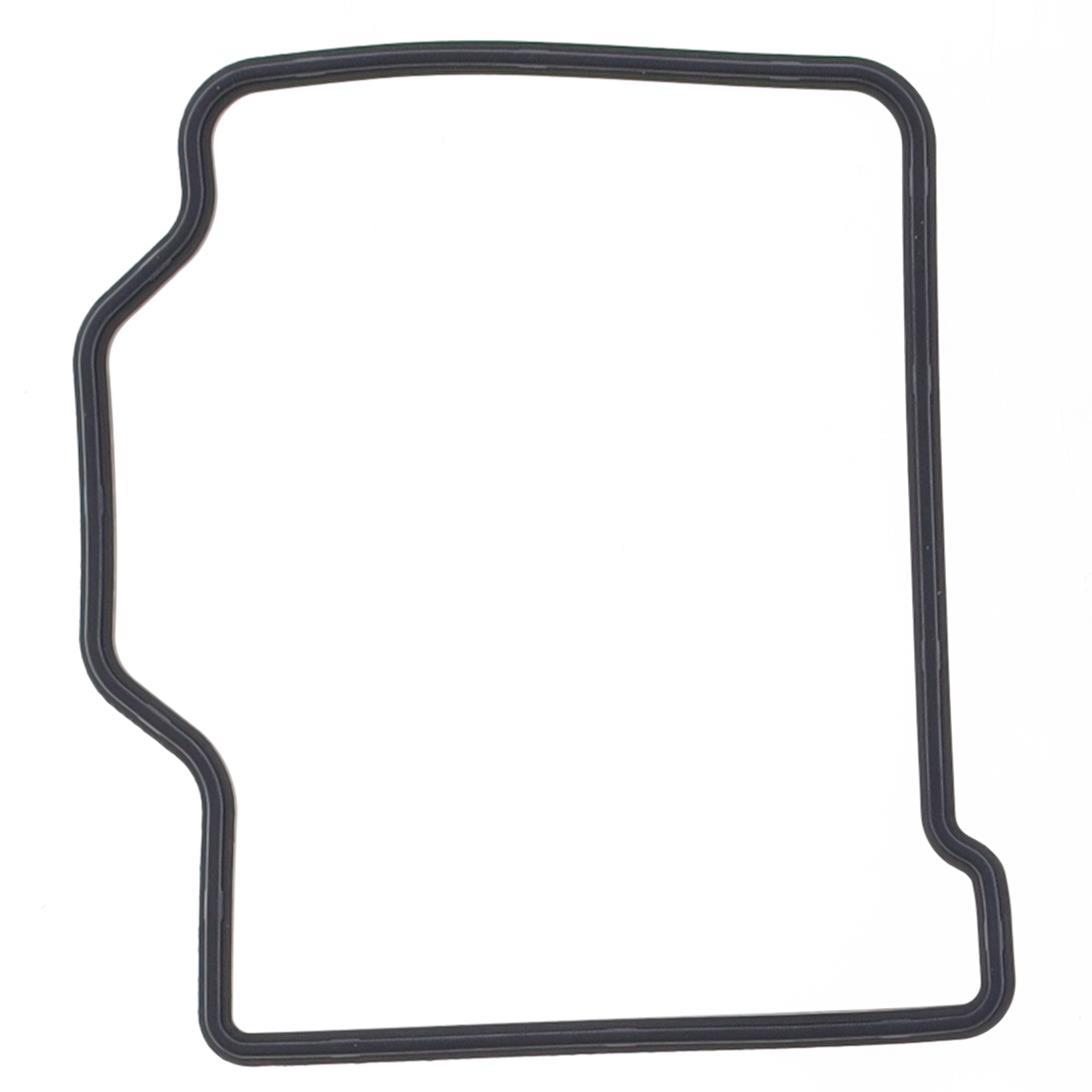
Choosing the correct replacement gasket is essential for restoring a reliable seal and avoiding repeated disassembly. With more than 50 years of experience in gasket development, Athena produces application-specific valve cover gaskets designed to withstand hot engine oil, repeated heat cycles, vibration and mechanical stress. Their precise geometry supports correct positioning in the valve cover groove and even pressure distribution across the sealing surface.
Athena offers valve cover gaskets for a wide range of motorcycles, including:
- Valve cover gaskets for compatible Honda motorcycles.
- Valve cover gaskets for Yamaha YZF 1000 Thunderace applications.
- Valve cover gaskets for Yamaha FZ1 and Fazer applications.
- Valve cover gaskets for compatible Kawasaki Z-series motorcycles.
The full selection is available in the Athena motorcycle valve cover gasket range.
Before installation, verify the manufacturer, model, year and exact engine version on the Athena product page. Compare the replacement gasket with the removed component and inspect the bolt grommets, O-rings and spark plug tube seals, replacing any worn components. Depending on the application, these additional seals may be integrated into the valve cover gasket, included in an Athena gasket kit or supplied separately.
Once the correct components have been identified, proper installation allows them to perform as intended. The mating surfaces and gasket groove must be clean and undamaged, the gasket must remain correctly seated, and sealant should only be applied where specified. Following the manufacturer’s tightening sequence and torque values helps ensure even compression and reduces the risk of recurring leaks.
FAQ
Is a motorcycle valve cover gasket leak serious?
A minor seep is not always an immediate engine emergency, but it should still be inspected. The problem becomes more urgent if the leak increases rapidly, reduces the oil level or allows oil to reach the exhaust.
Why does my motorcycle smell like burning oil?
A burning oil smell may occur when oil leaking from the valve cover reaches an exhaust header or another hot external component. Oil spilled during recent maintenance can produce a similar smell, so the area should be cleaned before confirming the source.
Does a valve cover gasket leak only when the engine is hot?
Not necessarily. However, the leak may become easier to identify when the engine is warm because the oil is circulating and the metal components have expanded. A cold-engine inspection alone may therefore fail to reveal a small active leak.
What is the lifespan of a valve cover gasket?
A valve cover gasket does not have a universal replacement interval. Its lifespan depends on the gasket material, engine temperature, heat cycles, vibration, operating conditions and installation quality.
It should be inspected during valve-clearance maintenance or whenever oil seepage appears, and replaced if it is hardened, cracked, deformed or permanently compressed.
Modificato il 04 September 2026


Ask the expert
-
 Ask the expertAuto
 -
 Ask the expertMoto
 -
 Ask the expertMoto